At home
We're starting here at home. Our veterans, the widow, the fatherless. Restoring existing homes. Building tiny homes. Modular homes. Walking beside our people until the keys are in their hand.
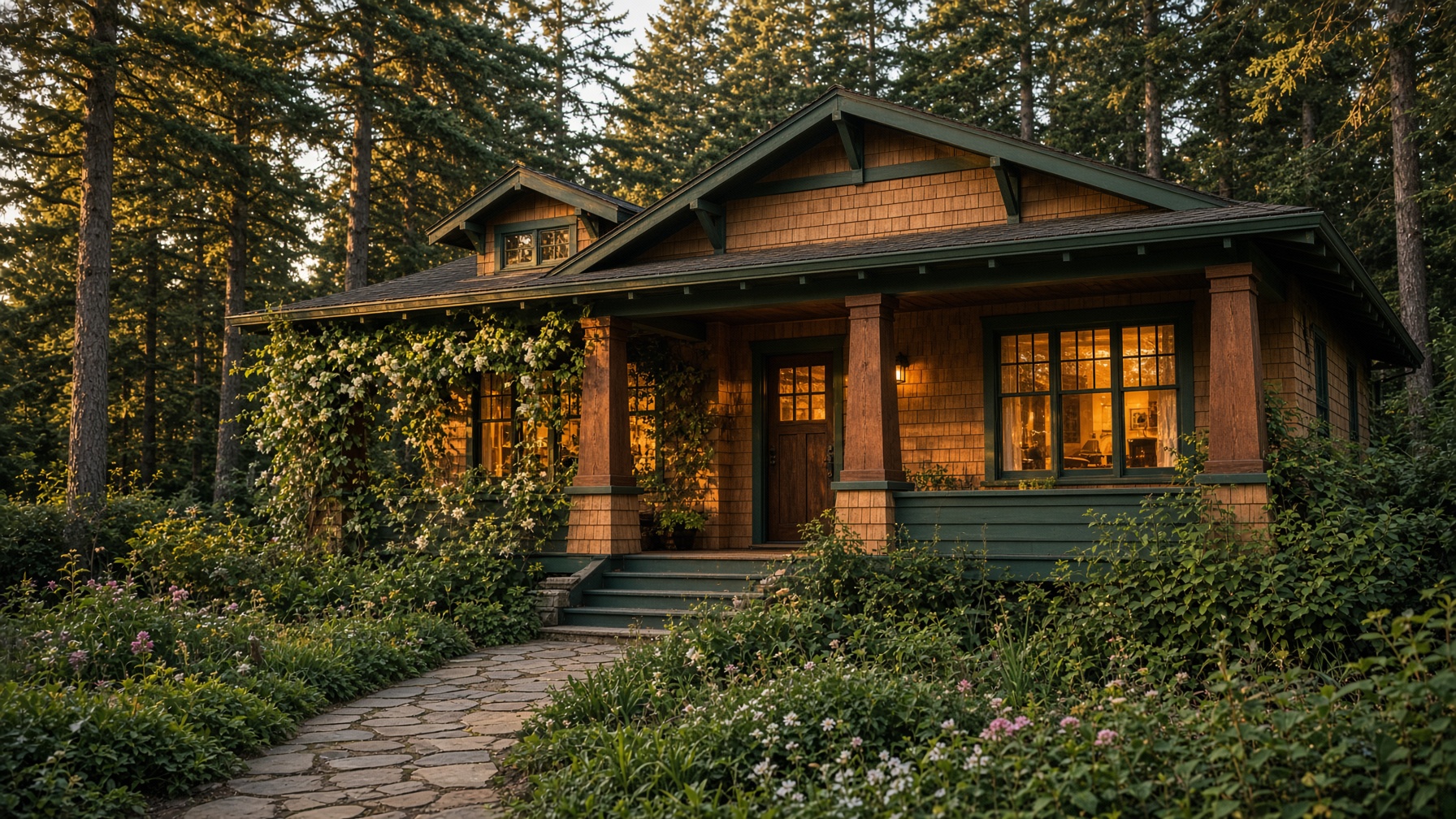
Narrow Way Homes, Inc.
We consider our great veterans, the widow, and the fatherless. Tiny homes, modular houses, restored streets — here, and with partners wherever people sleep without a roof.
Matthew 7:14
Strait is the gate, and narrow is the way, which leadeth unto life.
Homelessness is not a wide-road problem. It is a veteran without a door that locks, a widow on a thin lease, a child without a father and without a room. Narrow Way Homes was formed to put a house under them — here, and throughout the world.
Read our storyWho we house
Pure religion and undefiled before God and the Father is this, To visit the fatherless and widows in their affliction.
James 1:27
01
For those who served. A tiny home on a foundation, a restored house, a door that locks. The country asked them to go. We ask them to come home — and we mean a house.
02
A household that lost its partner should not lose its roof. We keep her on the street she knows when we can, and we set a house when we cannot.
03
Children without a father still need a table, a room, and a porch light. Modular homes and restored houses are for them as much as for anyone. The work is a roof over a child.
The aim
We're starting here at home. Our veterans, the widow, the fatherless. Restoring existing homes. Building tiny homes. Modular homes. Walking beside our people until the keys are in their hand.
The same work, with local hands. Tiny homes, modular houses, and restorations — funded here, built by people who already live there. We do not export a brand. We help put a house on the ground.
How we work
Tired houses first. Roofs, kitchens, heat, and the quiet dignity of a finished porch — so homelessness does not begin with a repair that never came.
When a lot is empty and the household is one or two people, we set a small, sound home on a foundation. Not a shed. A house with a porch light.
When a family needs rooms, we set factory-built modules and finish them like a house. Faster than stick-built. Meant to last like one.
A key is not the end. We stay through the first year. Housing is relationship, or homelessness returns.
What we put on the ground
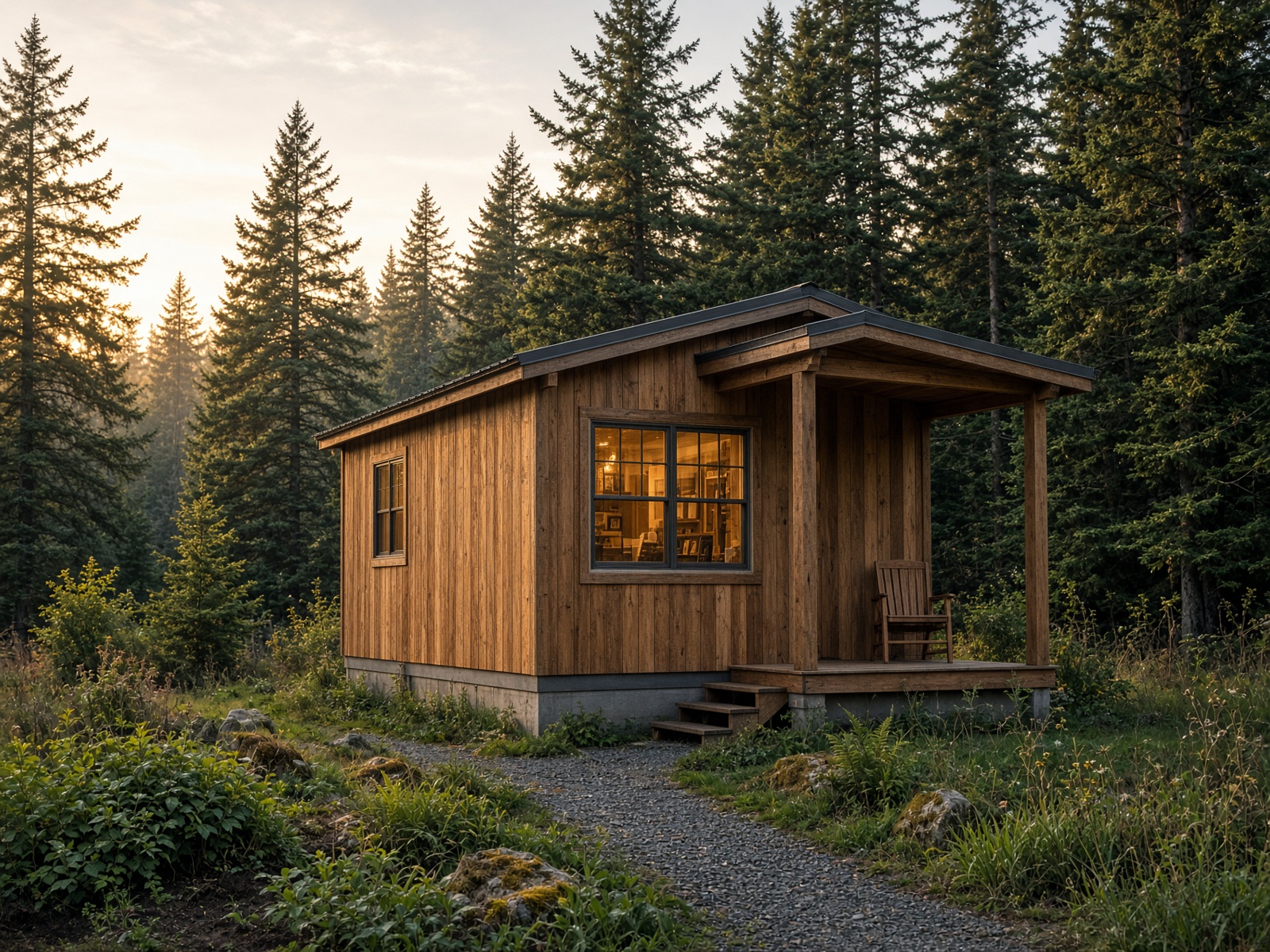
A first roof that is actually a home
One person or a couple. Two hundred to four hundred square feet on a foundation — heat, a kitchen, a door that locks. Fast enough to get someone off the street. Built well enough that they will still be proud of it in ten years.
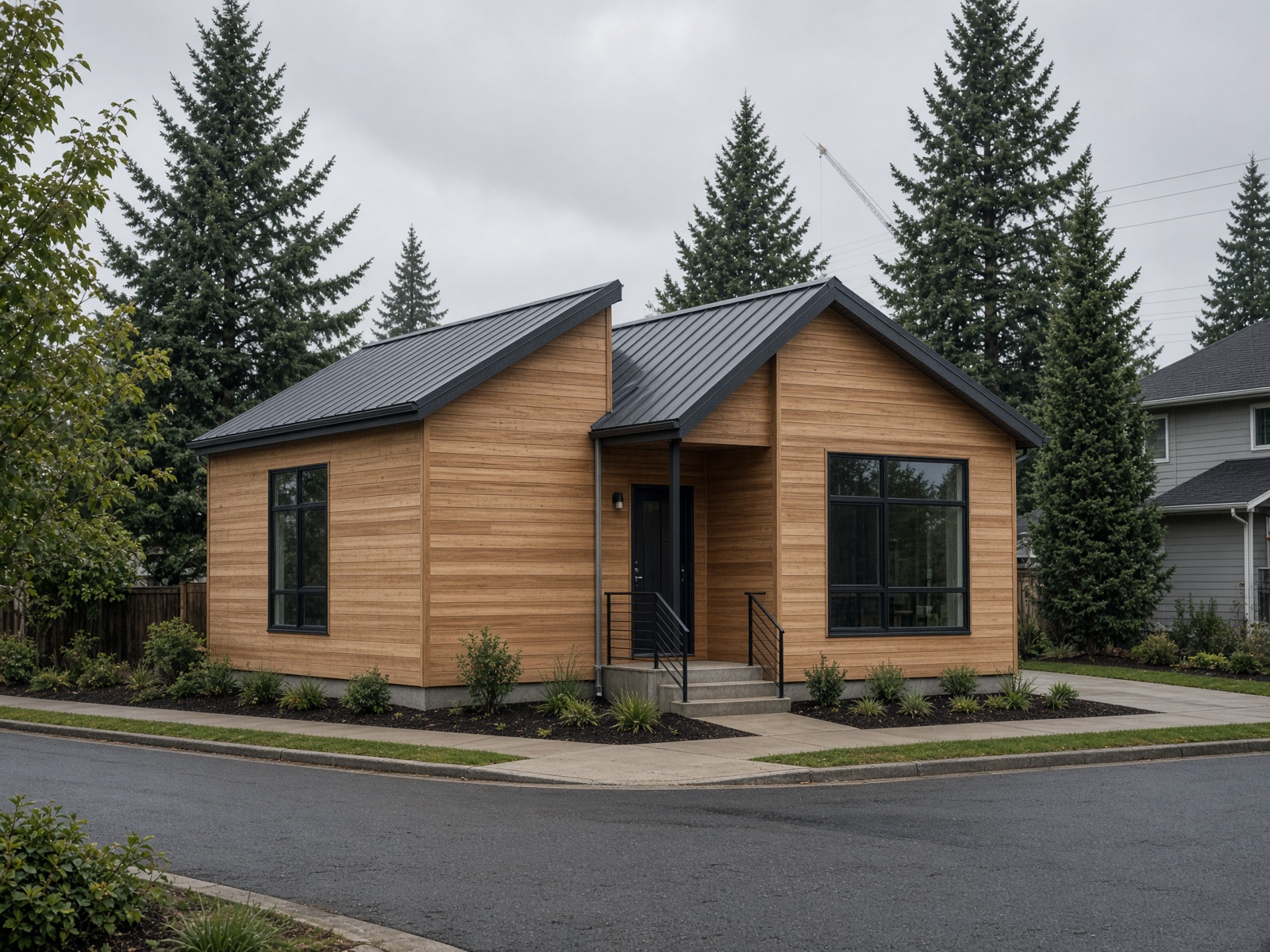
A family house, set in days
Families need more than a room. Modules are built indoors, trucked in, and set on a foundation. Two or three bedrooms. A table. Neighbors on either side. The finish is a house, not a trailer.
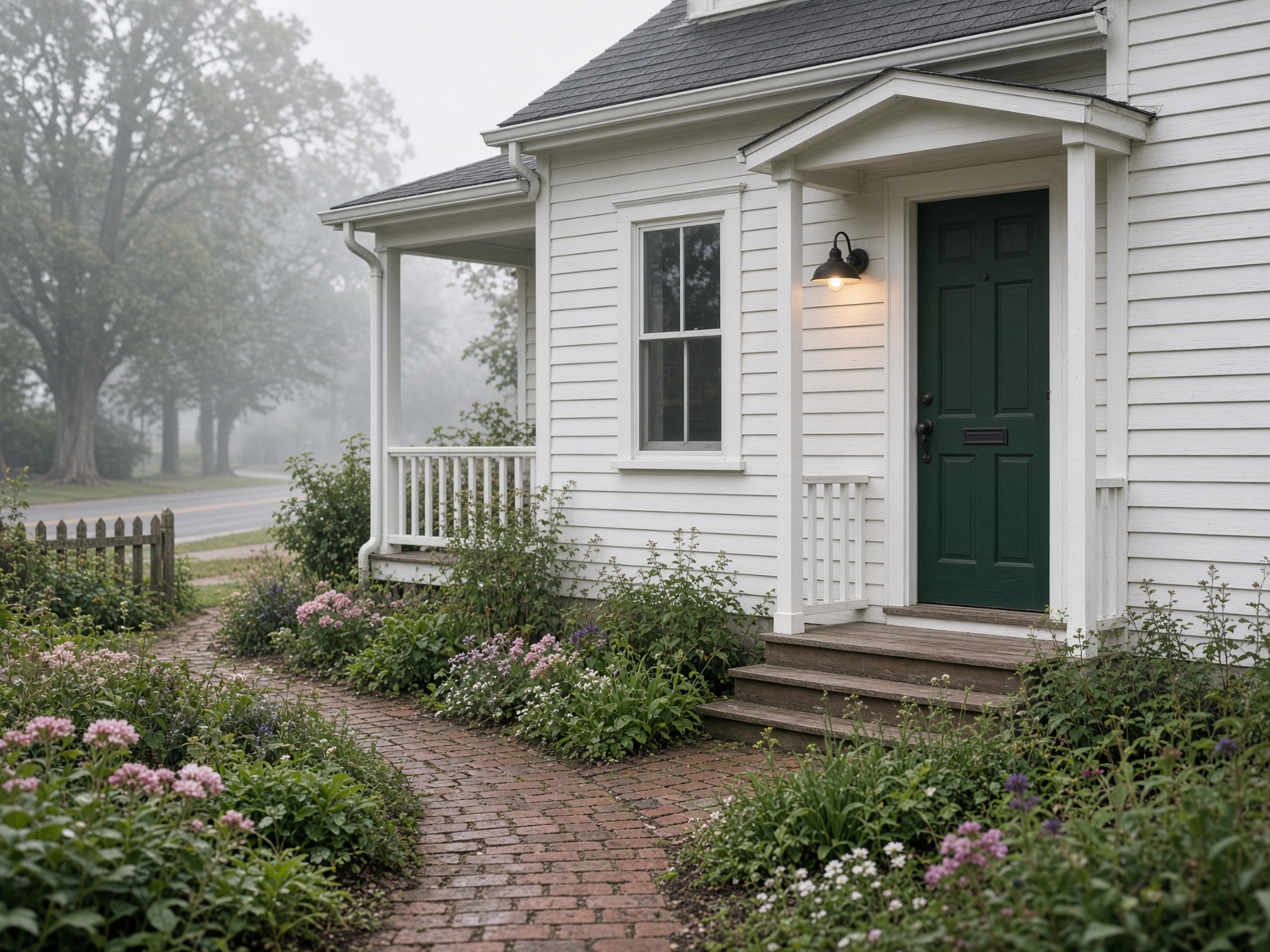
When the bones are still good
Most of what a household needs is already standing, just tired. We bring roofs, kitchens, and heat back to life so a street keeps its house and a family keeps a block they already know.
Recent work
Tiny home
Three hundred and twenty square feet on a donated side lot. Foundation, heat, a kitchen, a loft that is a bed. A first roof for a veteran coming off the street.
Modular home
Two modules, three bedrooms, set in a day and finished in a month. A widow and her children moved from a motel into a house with a table.
Restored
A 1920s craftsman brought back from a failing roof and empty rooms. New mechanicals, a rebuilt porch, and a kitchen a family can cook in.
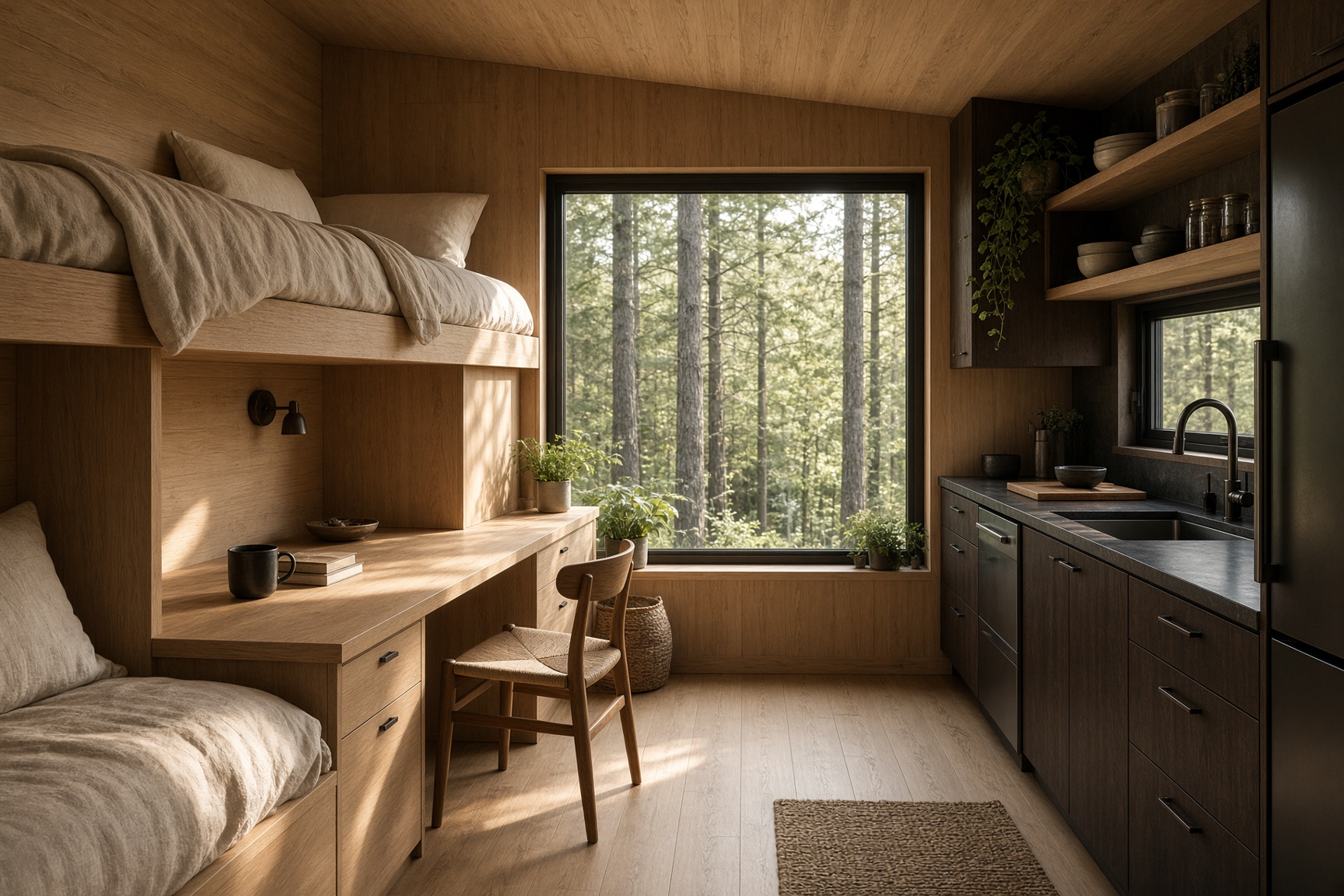
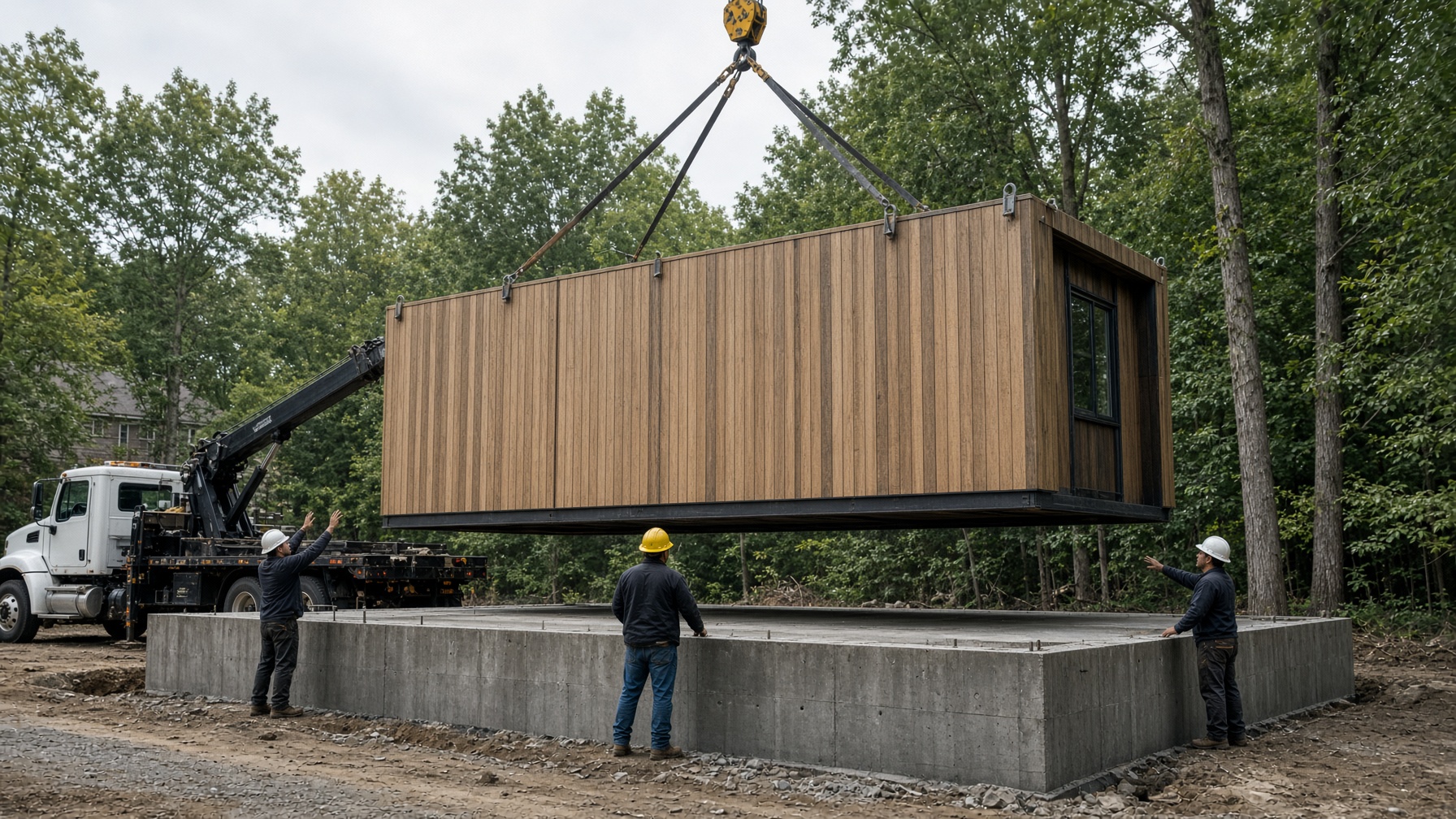
Tiny homes are built to be lived in, not displayed. Modular houses arrive whole and stay. Both are tools for ending homelessness — not a lesser kind of home.
The long walk
01
Donated properties, distressed sales, church land, and lots that have sat too long — here, and with partners abroad. We look for places that can become a home without becoming a spectacle.
02
Tradespeople lead. Volunteers fill the days that need extra hands. Tiny homes are finished on the lot. Modular houses are set by crane. Restorations keep what can be saved.
03
Veterans. Then the widow. Then the fatherless. Households also come through churches and case workers. Fit matters more than speed. The house has to match the people who will keep it.
04
A year of follow-through: a number to call, a neighbor who knows the furnace, a table when the first winter comes. Ending homelessness is walked, not announced.
Gifts buy lumber, windows, and roofs. Time raises walls. Churches and field partners make the work possible wherever people have nowhere to sleep.